Even if the death was expected, families are often unsure of what to do first. In the midst of grief, it helps to have clear, simple guidance about who to call and what steps to follow.
In Massachusetts, the process depends largely on whether the death was expected and whether the person was under medical care. Understanding the appropriate steps can ease anxiety and help families move forward with confidence during a very difficult moment.
First: Take a Moment
If your loved one has just passed, pause for a moment. If other family members are present, gather together. There is no need to rush unless there are emergency circumstances. Once you are ready, the next step is to determine who should be contacted first.
If the Death Was Expected
If your loved one was receiving hospice care or was under the supervision of a physician for a known illness, you should contact:
1. Hospice Nurse or Attending Physician
If hospice is involved, call the hospice provider directly. A nurse will come to the home to officially pronounce the death and guide you through the next steps. Hospice teams are experienced in handling these situations and will help coordinate communication with the funeral home once you are ready.
If hospice is not involved but the death was anticipated due to illness, call your loved one’s physician. The doctor may come to the home or provide instructions for the legal pronouncement of death.
You do
not need to call 911 in these expected situations unless instructed otherwise by a medical professional.
If the Death Was Unexpected
If the death occurs suddenly and was not anticipated, you should:
1. Call 911
Emergency responders will come to the home. In Massachusetts, police and emergency medical personnel must respond to unexpected deaths. They will determine whether the death appears natural or whether the medical examiner needs to be notified.
If the death is determined to be from natural causes, the next step will involve contacting a funeral home. If the medical examiner becomes involved, they will guide you through what happens next.
Although calling 911 may feel alarming, it is a required step for unexpected deaths and ensures that proper legal procedures are followed.
After the Death Is Pronounced
Once the death has been officially pronounced—either by hospice, a physician, or emergency personnel—the next call should be to a funeral home of your choice.
The funeral home will:
- Arrange transportation from the home
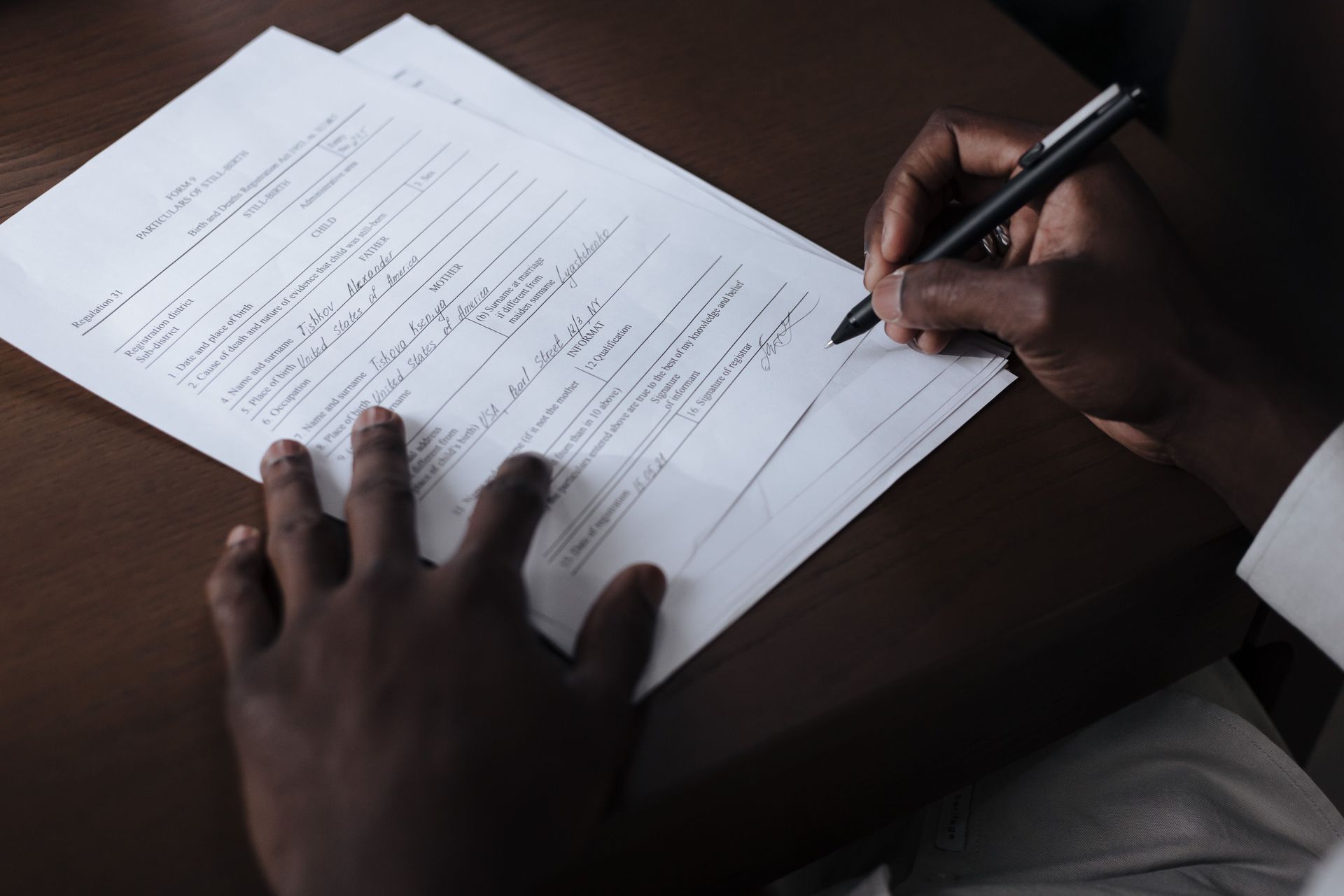
- Begin required documentation
- Guide you through planning decisions
- Coordinate with the physician or medical examiner for the death certificate
If you already have a funeral home selected, you can contact them directly. If you are unsure who to call, take a moment to choose a provider you trust. Many families in Massachusetts turn to long-established, family-owned funeral homes for compassionate, steady guidance during this time.
What Information You May Need
When you call the funeral home, you may be asked for:
- Your loved one’s full name
- Date of birth
- Social Security number (if available)
- Name of attending physician (if applicable)
- Your contact information
Do not worry if you do not have all of this immediately. The funeral director will guide you and help gather necessary details over time.
If you need immediate assistance after a loss at home, reaching out for professional guidance right away can bring reassurance and clarity during those first uncertain hours.
What Happens Next?
After your loved one is brought into the care of the funeral home, you will schedule a time—either in person or by phone—to discuss arrangements. This conversation typically includes:
- Burial or cremation preferences
- Type of service (traditional funeral, memorial service, private gathering, etc.)
- Personalization options
- Clergy or celebrant coordination
- Obituary preparation
If your loved one had pre-planned arrangements, the funeral home will review those plans with you and carry them out according to their wishes.
Legal Requirements in Massachusetts
In Massachusetts, a death certificate must be filed with the town or city where the death occurred. The funeral home handles this process, working with the physician to complete and submit the necessary documentation.
If cremation is chosen, additional authorization is required by law before the cremation can take place. Again, the funeral director manages these details to ensure compliance with state regulations.
Families do not need to navigate these legal steps alone—professional guidance is part of the service.
What Not to Do
In the shock of the moment, families sometimes worry about making a mistake. Here are a few important reminders:
- Do not move the body unless instructed by authorities.
- Do not contact multiple agencies at once—follow the appropriate first step based on whether the death was expected or unexpected.
- Do not feel pressured to make immediate service decisions during the first call. Initial contact is simply to begin care and transportation.
You will have time to consider arrangements thoughtfully.
Emotional Considerations
When someone passes away at home, especially in a familiar and intimate space, the experience can feel particularly intense. Some families find comfort in the fact that their loved one was surrounded by familiar surroundings. Others may feel unsettled or unsure of what to do next.
There is no “right” way to feel. Grief often arrives in waves—shock, sadness, disbelief, even relief if a long illness has ended. Allow yourself space to experience those emotions.
Professional funeral directors are accustomed to gently guiding families through these early moments with calm reassurance and practical support.
Planning Ahead Can Ease the Burden
While no one wants to imagine this situation, discussing preferences ahead of time can greatly reduce stress for loved ones. Knowing which funeral home to call and understanding a loved one’s wishes for burial or cremation removes uncertainty during an already painful time.
Even a simple conversation with family members can make a meaningful difference.
A Steady Presence in Difficult Moments
When a loved one passes away at home in Massachusetts, the most important first step is determining whether the death was expected or unexpected. From there, contacting hospice, a physician, or emergency services ensures proper pronouncement. After that, calling a trusted funeral home brings compassionate guidance and practical help.
You do not have to navigate these moments alone. With clear steps and supportive professionals, families can focus less on logistics and more on honoring the life of the person they love.