For many, a
traditional funeral service offers structure, familiarity, and a meaningful way to honor a life while gathering support from family, friends, and the wider community. In Salem, where history and tradition are deeply rooted, families often look for guidance on what a traditional funeral involves and how the process unfolds.
At long-established funeral homes such as Murphy Funeral Home, families are guided with compassion and clarity through each step. Understanding what to expect from a traditional funeral service can help ease uncertainty and allow families to focus on remembrance and healing.
What Is a Traditional Funeral Service?
A traditional funeral service typically includes several components that may take place over one or more days.
While every service can be adapted to meet a family’s needs, traditional services often include:
- A visitation or wake
- A formal funeral or religious service
- A procession and committal at the cemetery
These elements provide opportunities for reflection, ritual, and shared remembrance. For many families, these time-honored customs help create a sense of closure while honoring cultural, religious, or personal traditions.
The Role of the Funeral Home
From the first phone call, the funeral home serves as a steady guide during a difficult period. When a death occurs, families may need immediate assistance with transportation, legal requirements, and scheduling. Support related to immediate funeral arrangements ensures that families are not navigating these responsibilities alone.
The funeral director coordinates details such as:
- Care and preparation of the deceased
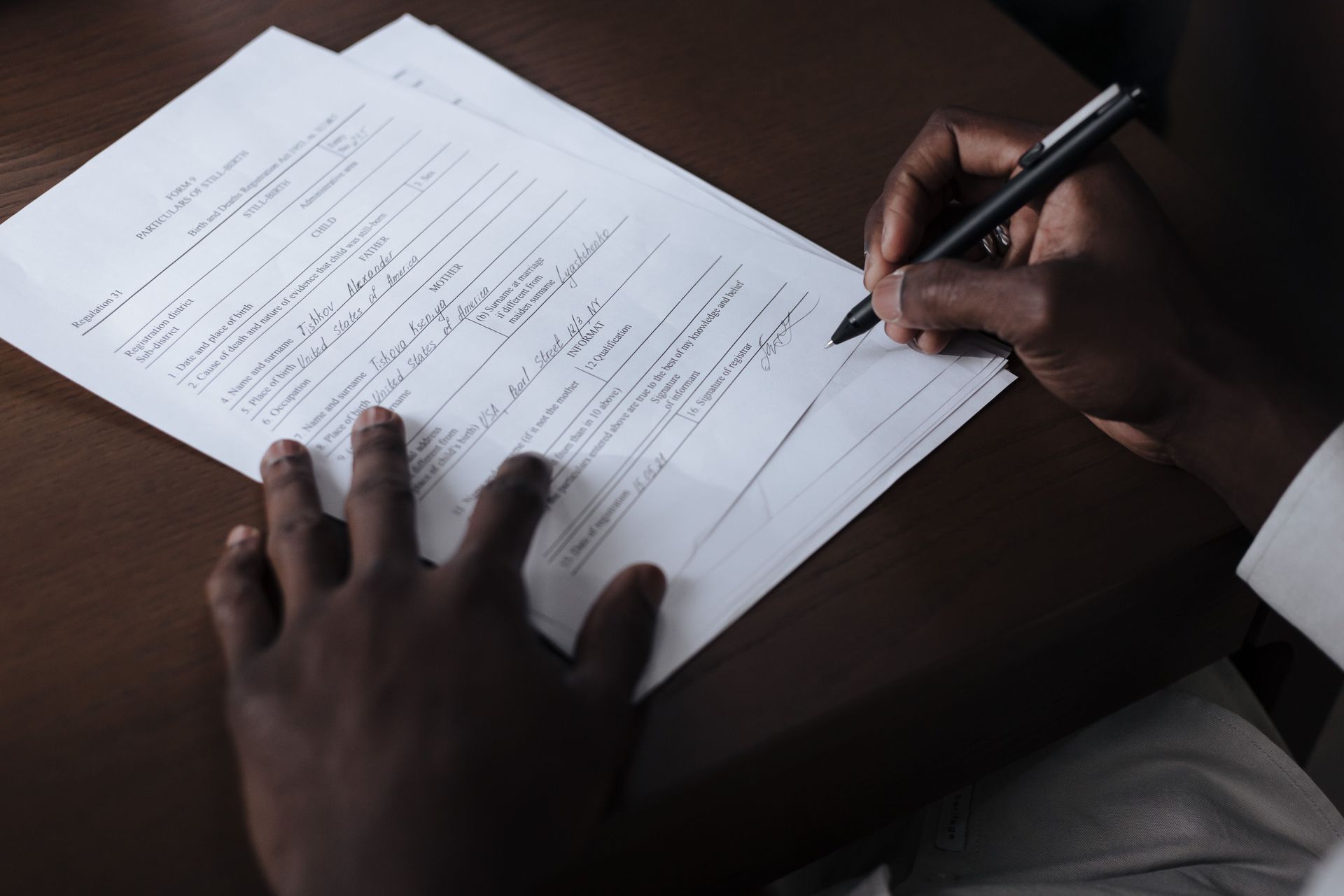
- Required permits and documentation
- Scheduling services and clergy
- Coordination with cemeteries and clergy
- Guidance on obituary notices and service timing
This support allows families to make informed decisions at a pace that feels manageable.
Visitation and Wake: A Time to Gather
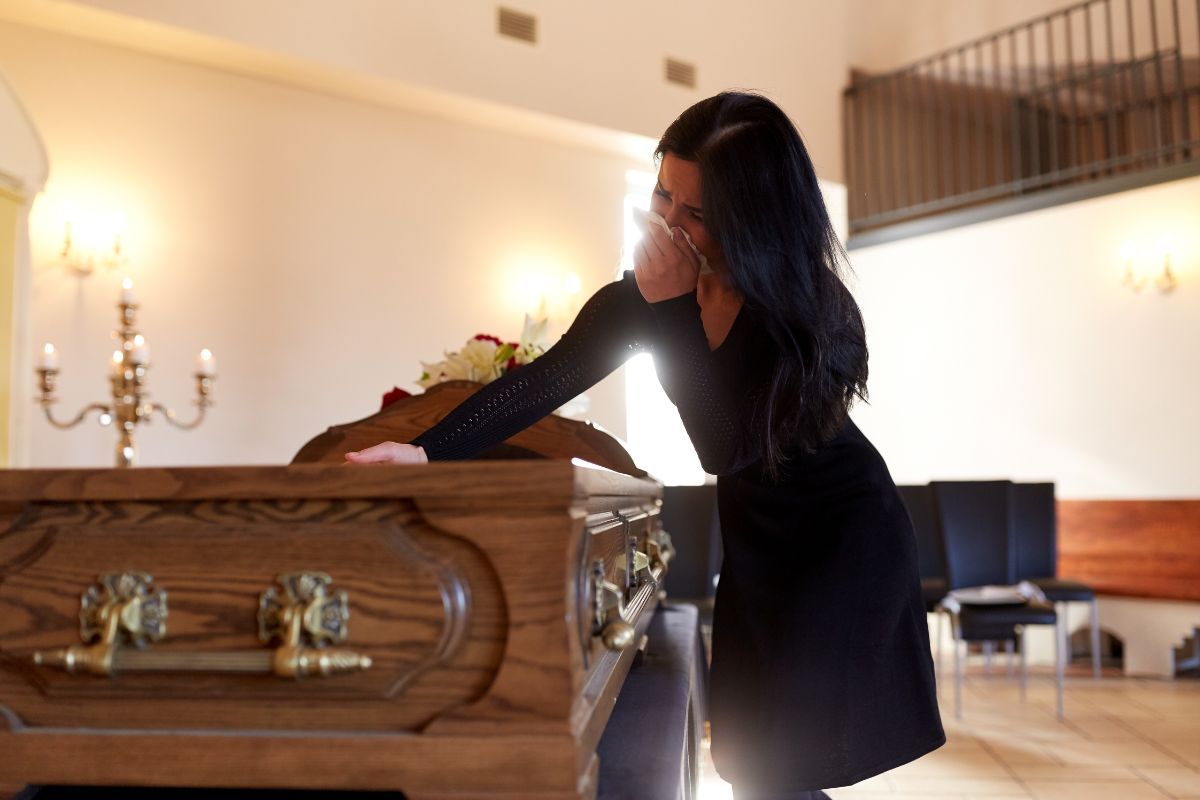
One of the most familiar aspects of a traditional funeral is the visitation or wake. This gathering typically takes place at the funeral home and allows family, friends, and community members to offer condolences in person.
During visitation:
- The casket may be open or closed, depending on family preference
- Religious or cultural rituals may be observed
- Guests can share stories, prayers, and quiet moments of reflection
This time together often provides comfort by reminding families that they are not alone in their grief. It also allows those who may not attend the formal service to still pay their respects.
The Funeral Service Itself
The funeral service may be held at the funeral home, a church, or another place of worship. This portion of the traditional funeral is often structured and ceremonial, offering a dedicated time to reflect on the life that has been lived.
A traditional service may include:
- Readings or prayers
- Music or hymns
- Eulogies shared by family members or clergy
- Religious rites, depending on faith traditions
While traditional in format, services can still reflect the individuality of the person being honored. Funeral directors work closely with families to ensure the service feels respectful, personal, and aligned with their beliefs.
Burial, Cremation, and Committal Services
After the funeral service, families may proceed to a cemetery for a committal service. In traditional burial services, this includes the interment of the casket. However, families choosing cremation may also incorporate traditional elements into their arrangements.
Some families select cremation while still holding a full funeral service beforehand. Others may choose a memorial service following cremation. Learning about available cremation service options can help families understand how tradition and cremation can work together seamlessly.
The committal service is often brief but meaningful, offering final prayers or words of farewell before the final resting place is established.
Personalizing a Traditional Funeral
While traditional funerals follow a familiar structure, personalization plays an important role in making the service meaningful. Today’s families often seek ways to reflect personality, values, and life experiences within a traditional framework.
Personal touches may include:
- Displaying photographs or memory boards
- Choosing music that held special meaning
- Incorporating hobbies, military honors, or community involvement
- Creating tribute videos or printed memorials
Funeral professionals skilled in personalizing funeral services help families find thoughtful ways to honor a loved one while maintaining the dignity of a traditional service.
Emotional Support and the Importance of Ritual
Ritual plays a powerful role in the grieving process. Traditional funeral services provide a shared experience that acknowledges loss openly and respectfully. For many, this structure offers comfort at a time when emotions can feel unpredictable.
Being surrounded by others, hearing familiar prayers or music, and participating in long-standing customs can help families begin processing their grief. Even those who are unsure about formal services often find that tradition offers grounding during moments of loss.
A Legacy of Service in Salem
Salem families often turn to funeral homes with deep community roots and a history of service. Murphy Funeral Home, founded in 1893 and operated by five generations of the same family, has long been a trusted presence in the North Shore community. That continuity allows families to feel confident that their traditions, values, and wishes will be respected.
The combination of historical understanding and modern care ensures that traditional services remain relevant, supportive, and meaningful for today’s families.
When Questions Arise
No two families experience loss in the same way. Questions about timing, service options, religious customs, or costs are natural. Having access to compassionate guidance makes those conversations easier and more productive.
If you are planning a traditional funeral service or simply want to understand your options, speaking directly with a funeral professional can provide reassurance. Families are encouraged to reach out to our website to discuss their needs, ask questions, or seek guidance—whether planning ahead or facing an immediate loss.
Finding Comfort in Familiar Traditions
Traditional funeral services continue to offer comfort because they create space for remembrance, connection, and reflection. By understanding what to expect, families can approach the process with greater confidence and peace of mind.
In Salem, where tradition and community remain closely intertwined, a thoughtfully planned funeral service can honor the past while supporting those who move forward—together.