One of the most important choices involves selecting the right casket. While many people assume all caskets are essentially the same, there are meaningful differences between burial caskets and cremation caskets. Understanding these distinctions can help families make informed decisions that align with their wishes, values, and budget.
For more than 130 years, the Murphy Funeral Home has guided Salem families through these choices with patience and care. Whether a family is planning a traditional burial or a cremation service, knowing what sets these casket types apart can bring clarity during an emotional time.
Understanding the Purpose of Each Casket
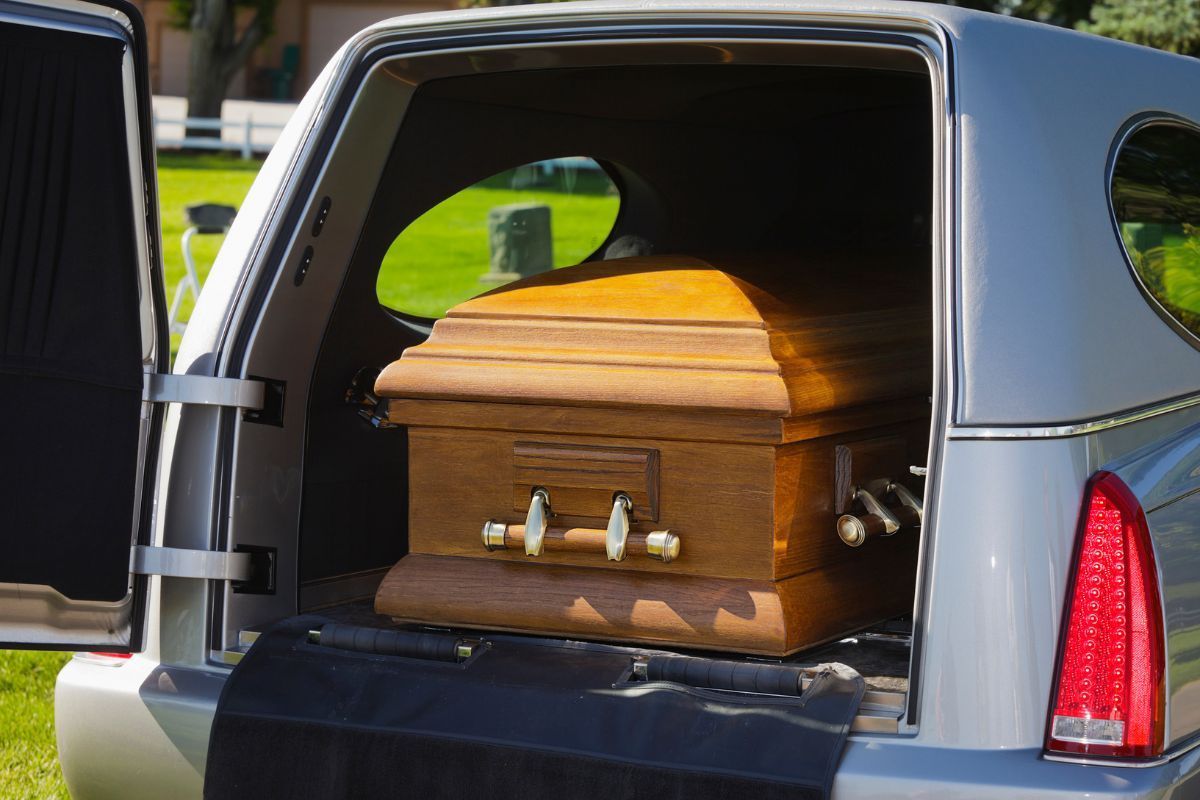
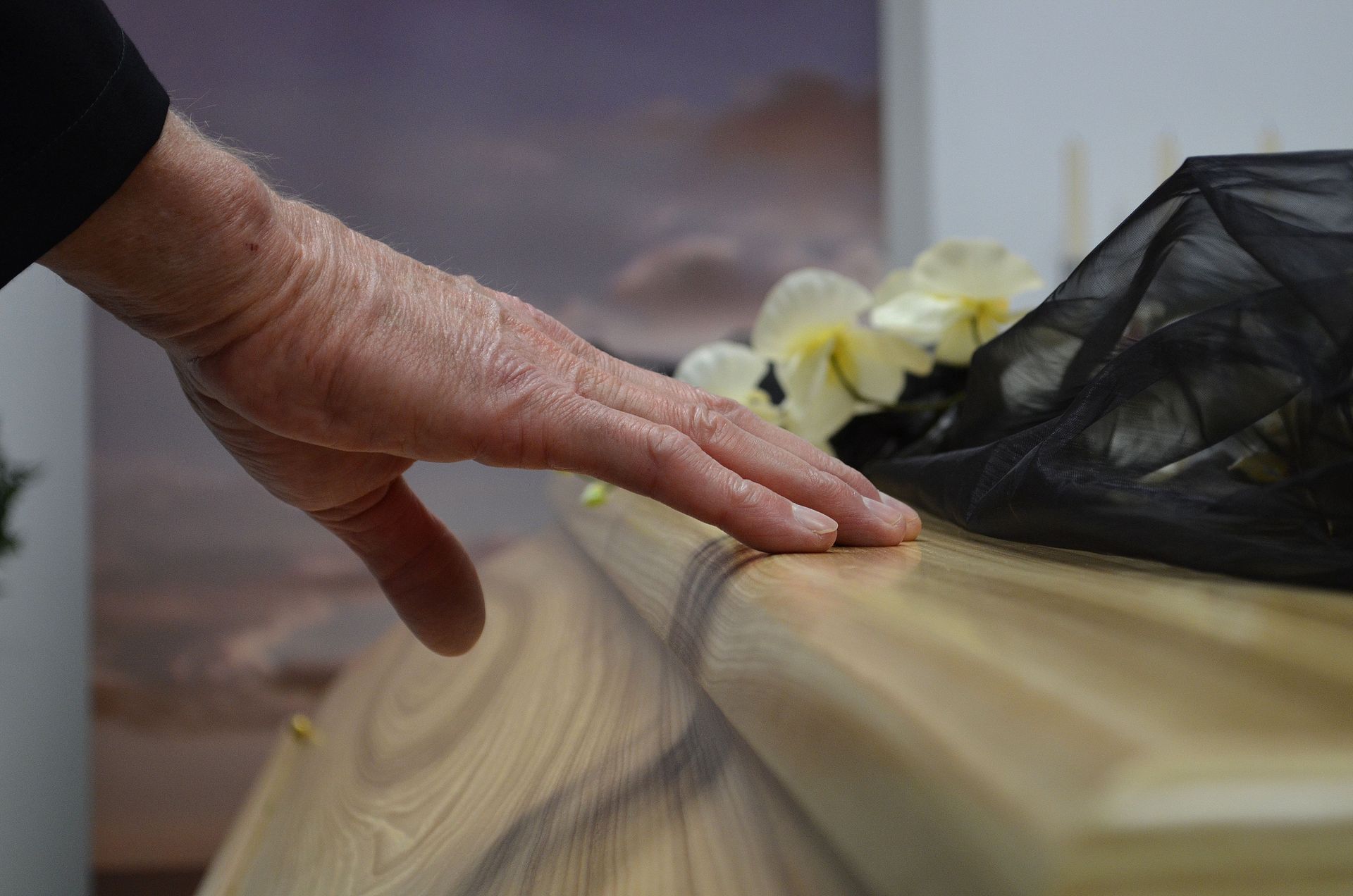
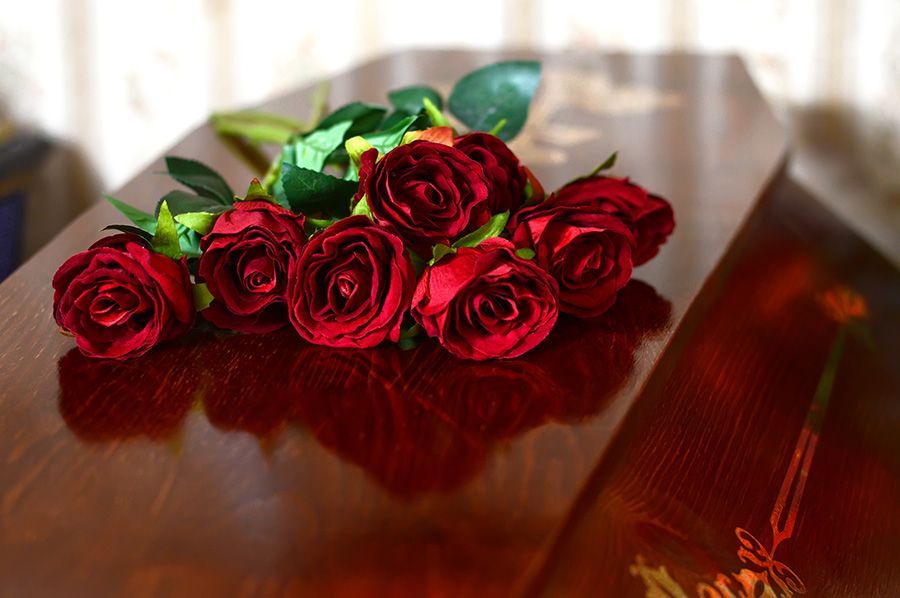
A burial casket is designed for interment in the ground or placement in a mausoleum. These caskets are typically built to be visually striking, durable, and often include features intended to preserve the casket's appearance over time. They serve as the final resting place for the deceased and are often selected to reflect the personality, faith, or aesthetic preferences of the loved one being honored.
A cremation casket, on the other hand, is designed specifically for use during the cremation process. These caskets are constructed from combustible materials so they can be cremated along with the deceased. While they may resemble traditional caskets in appearance, their purpose and construction are quite different.
Materials Used in Burial Caskets
Burial caskets are often made from a wide range of materials, each offering different qualities. Hardwoods such as mahogany, cherry, oak, walnut, and maple are popular choices for families who want a warm, classic look. Metal caskets made from bronze, copper, stainless steel, or carbon steel are also widely available and often selected for their strength and longevity.
Many burial caskets feature decorative interiors lined with velvet, crepe, or satin. Some include personalized embroidery, religious symbols, or memorial corners that can be inscribed with meaningful details. These features allow families to create a tribute that reflects the life and beliefs of their loved one.
Materials Used in Cremation Caskets
Cremation caskets are made from materials that burn cleanly and efficiently. Common options include solid wood without metal hardware, plywood, particleboard, fiberboard, or even environmentally friendly choices like bamboo, willow, or rattan. Some families choose simple cardboard caskets, which are practical, affordable, and increasingly popular for those who want a more eco-conscious option.
While the materials differ from burial caskets, cremation caskets can still be beautifully crafted. Many include soft interior linings, smooth finishes, and dignified designs that allow for a meaningful viewing or visitation before the cremation.
Cost Considerations
Cost is often an important factor when families are choosing between burial and cremation caskets. Burial caskets generally come with a wider range of price points because of the variety of materials and craftsmanship involved. Hardwood and metal caskets can be on the higher end, while simpler wood designs offer more affordable choices.
Cremation caskets tend to be less expensive overall, particularly when families select basic wood or alternative material options. Some families also opt for rental caskets, which allow for a traditional viewing service before the body is transferred to a simple cremation container. Reviewing detailed price lists can help families compare options and choose what fits their needs without added stress.
Choosing Based on Service Type
The type of service a family is planning often guides the casket decision. For a traditional funeral followed by burial, families typically choose a burial casket that will serve as the final resting place. Funeral services can include visitations, religious ceremonies, and graveside committal, all of which influence the casket selection process.
For families planning a cremation, the choice often depends on whether they wish to have a viewing or a memorial service before the cremation takes place. Some prefer a more traditional casket for visitation, while others select a simple cremation container. Cremation services offer flexibility, allowing families to honor their loved one in a way that feels authentic and respectful.
Environmental and Personal Values
In recent years, more families have considered the environmental impact of their choices. Biodegradable cremation caskets and natural burial options have become increasingly popular among those who want to leave a smaller ecological footprint. Materials like willow, seagrass, and untreated pine offer beautiful, earth-friendly alternatives.
Personal and religious beliefs also play a major role in casket selection. Some faiths have specific guidelines about burial practices and casket materials, while others emphasize simplicity. Discussing these values openly with funeral professionals helps ensure the final choice honors both tradition and personal meaning.
Planning Ahead Brings Peace of Mind
Making casket decisions during a time of grief can feel overwhelming. This is why many people choose to make these arrangements in advance. Planning ahead allows individuals to record their preferences, ease the burden on loved ones, and ensure their final wishes are respected. It also gives families the time and space to consider their options carefully without the pressure of immediate decisions.
Compassionate Guidance Every Step of the Way
Choosing between a burial casket and a cremation casket is a deeply personal decision, and no family should have to navigate it alone. The experienced team at the Murphy Funeral Home is here to provide thoughtful guidance, honest information, and unwavering support. To explore your options or simply ask a few questions, connect with their caring team and let five generations of trusted experience help you make the choice that feels right for your family.